
The Rise of Agentic AI: Autonomous Systems That Plan, Execute, and Learn
Explore how agentic AI is moving beyond chatbots to autonomous goal-driven systems, revolutionizing industries from logistics to healthcare.
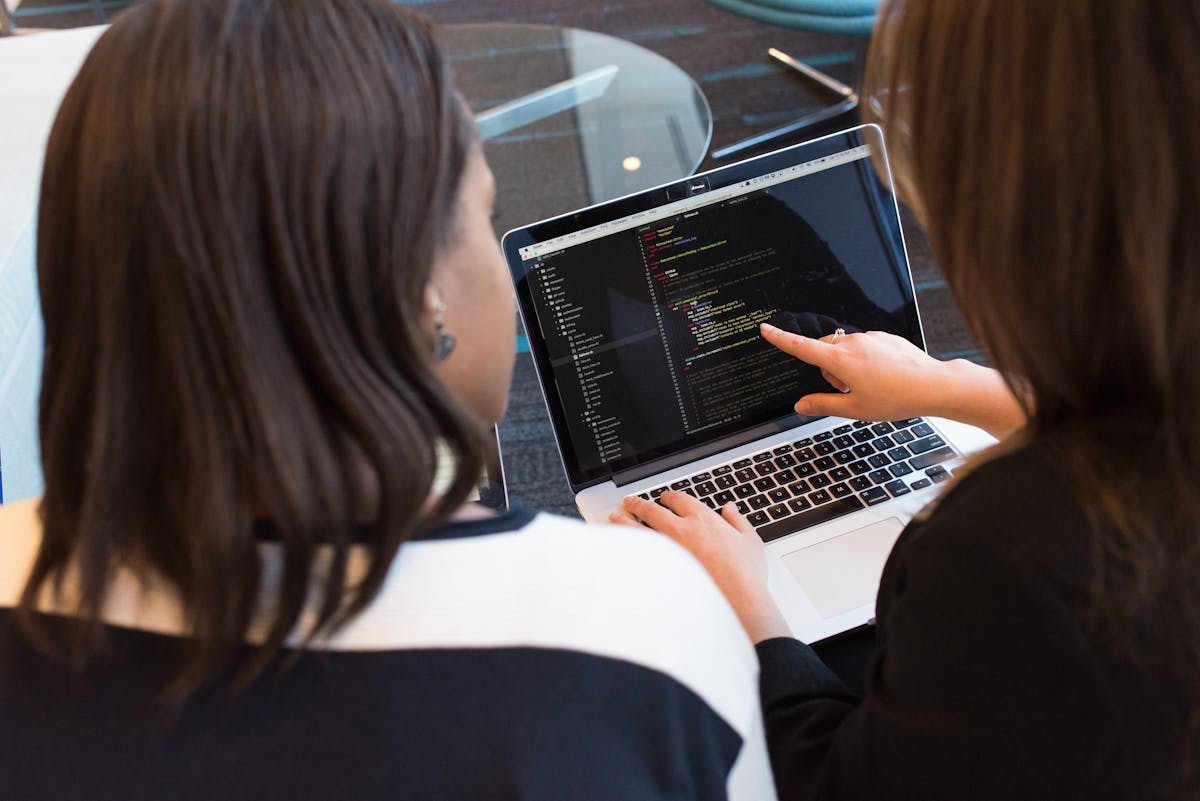
Discover how digital twins are revolutionizing chemical manufacturing, enabling real-time optimization, predictive maintenance, and virtual commissioning.
Traditional chemical plants rely on static process flow diagrams and historian data to understand operations. A digital twin—a live, virtual replica of the physical plant—takes this to the next level. It integrates real-time sensor data, physics-based simulations, and AI to provide a comprehensive, up-to-the-second view of process health. NSC Global(N.S.C. Enterprises) builds digital twins for chemical reactors, distillation columns, and entire plants, empowering engineers to optimize in real time and test "what-if" scenarios without risking production.
Our approach uses a hybrid model combining first-principles engineering equations with machine learning data-driven models. This ensures the twin is accurate even in regimes where purely physics-based models drift. For a specialty polymer producer, the twin predicted product viscosity with 98% accuracy, allowing closed-loop control that reduced off-spec material by 60%.
Moving from lab to pilot to commercial scale is fraught with challenges. A digital twin enables virtual commissioning: process control logic is tested against the twin before real systems are started, uncovering integration issues early. One pharmaceutical client reduced commissioning time by 30% using our twin, avoiding millions in delayed revenue.
We also use digital twins for operator training. VR/AR interfaces connected to the twin provide immersive, realistic training scenarios without endangering personnel or equipment. Trainees can experience emergency shutdowns, startup sequences, and abnormal situations safely.
Digital twins help chemical companies achieve sustainability targets by identifying energy waste and emission reduction opportunities. By modeling furnace efficiency, heat exchanger fouling, and steam distribution, our twins continuously recommend setpoint adjustments that lower fuel consumption. A refinery client reduced CO2 emissions by 8% within the first year of deployment, directly supporting ESG goals.
Explore how agentic AI is moving beyond chatbots to autonomous goal-driven systems, revolutionizing industries from logistics to healthcare.
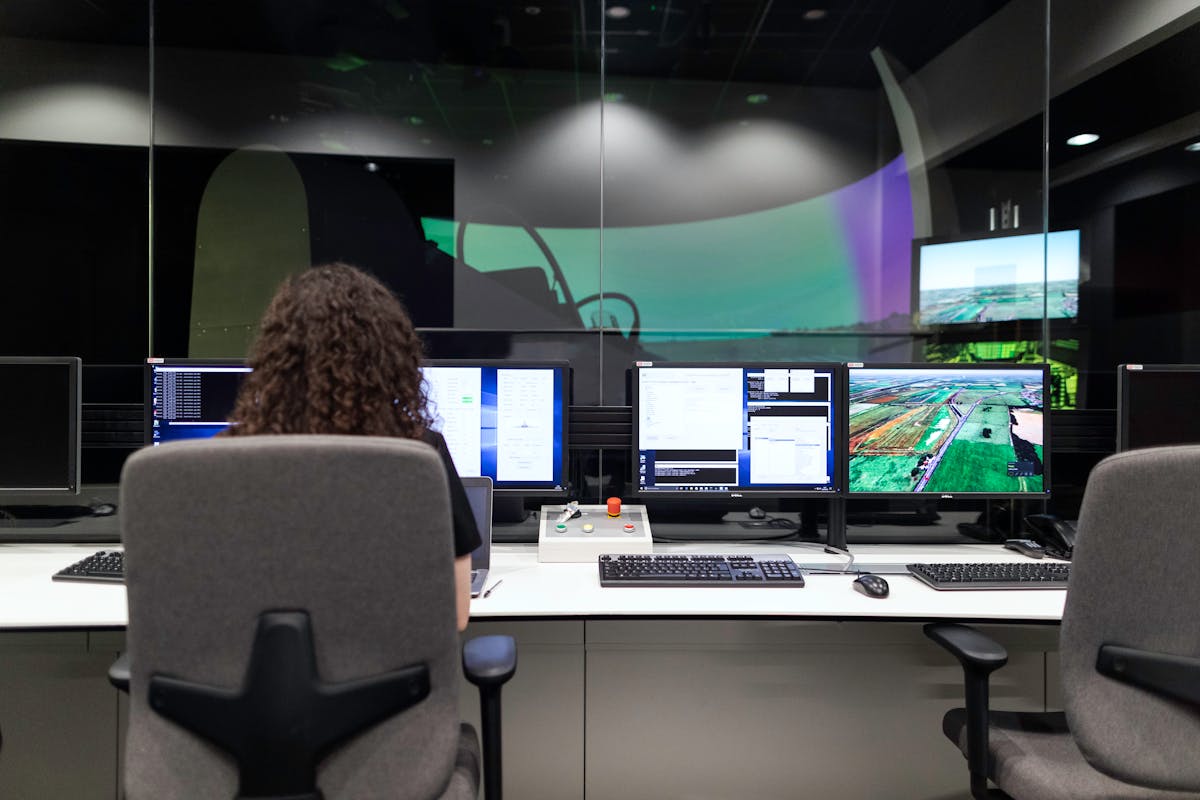
Discover how quantum computing is transitioning from theoretical research to practical business applications in finance, pharmaceuticals, and logistics.
Learn how edge computing reduces latency, saves bandwidth, and enables real-time decision-making in IoT, autonomous vehicles, and smart cities.